Collaborations I – An Exhibition with 61 Artists Guardini Stiftung, Askanischer Pl. 4, 10963 Berlin 06.04.2022–11.05.2022
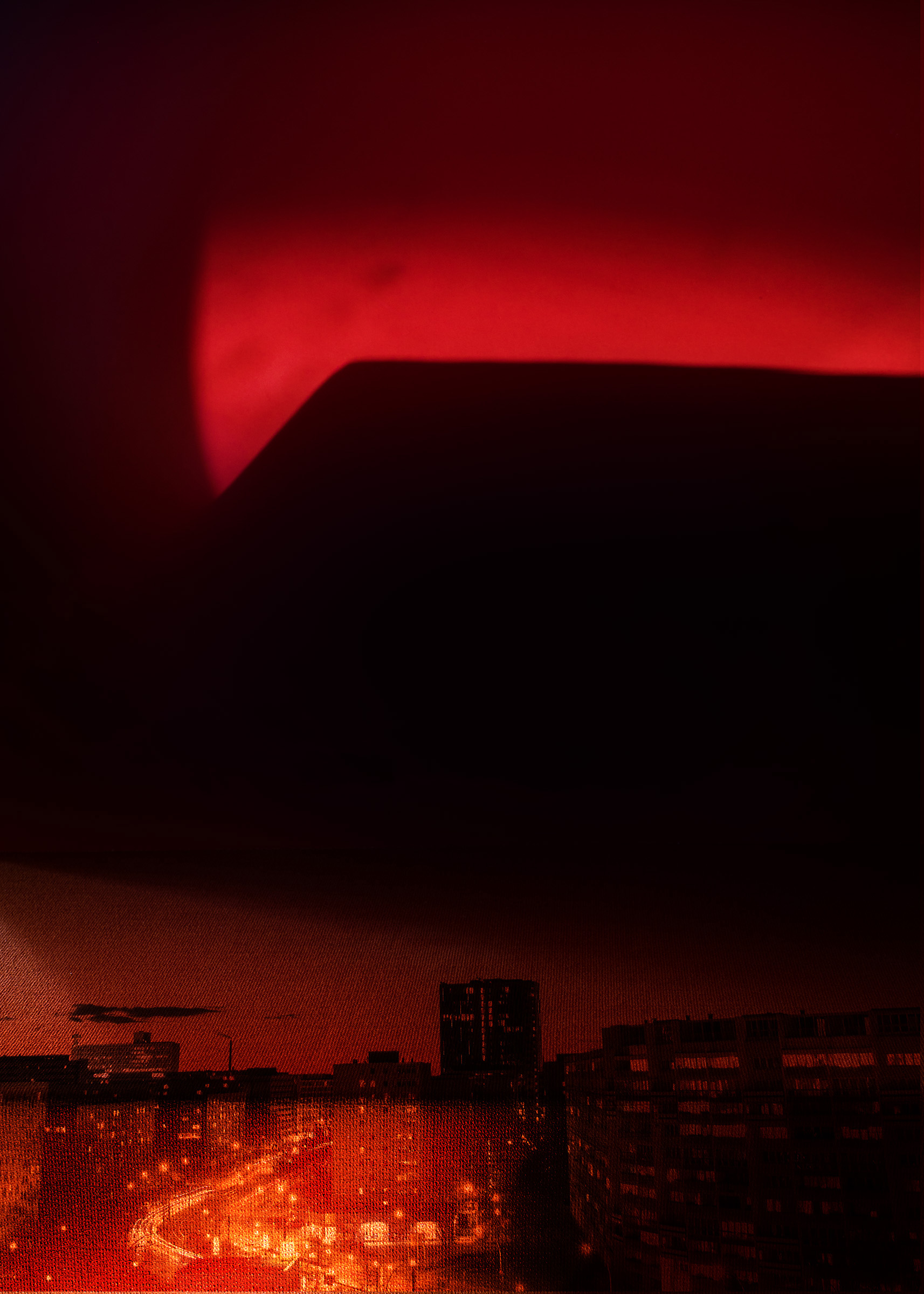
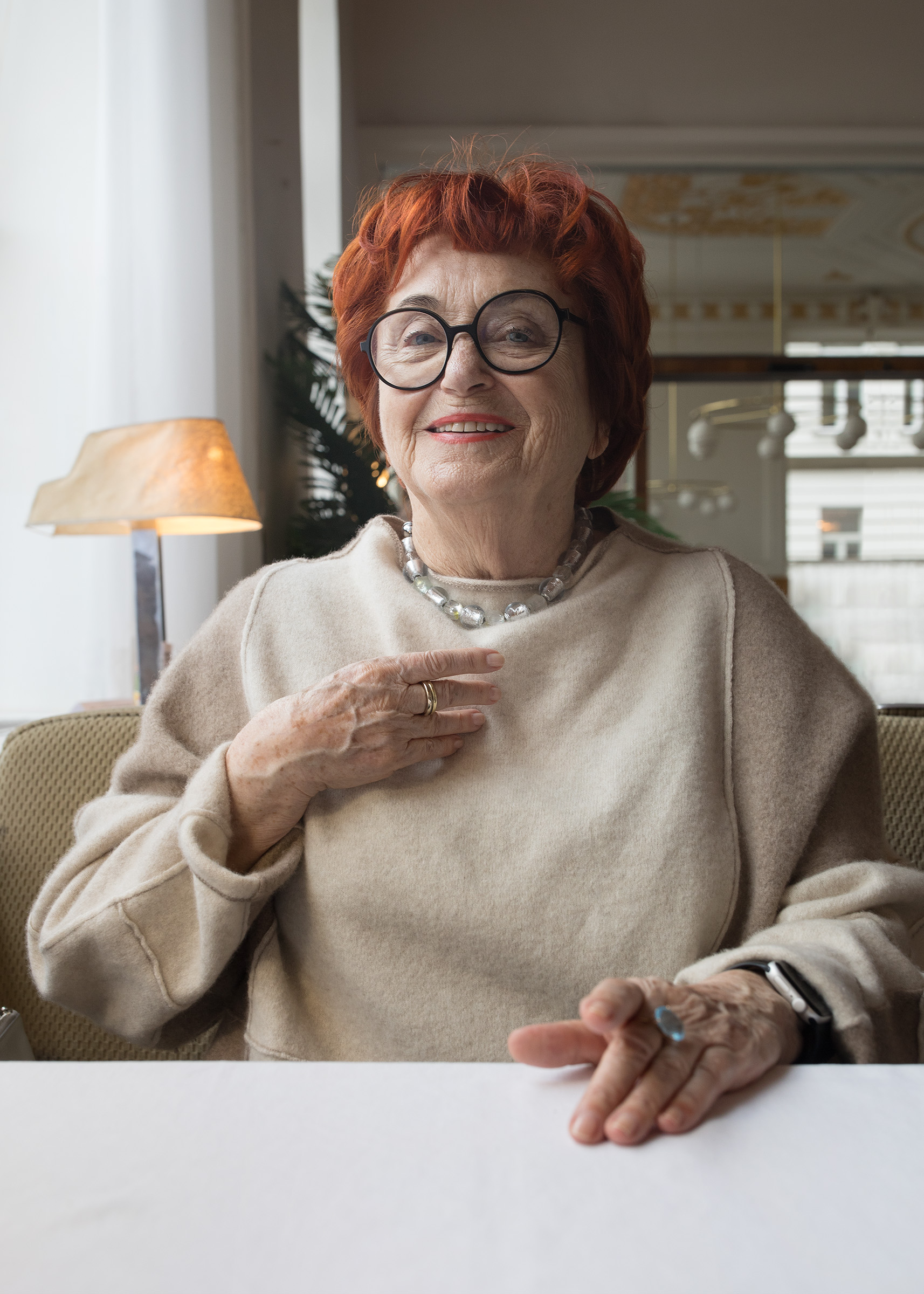
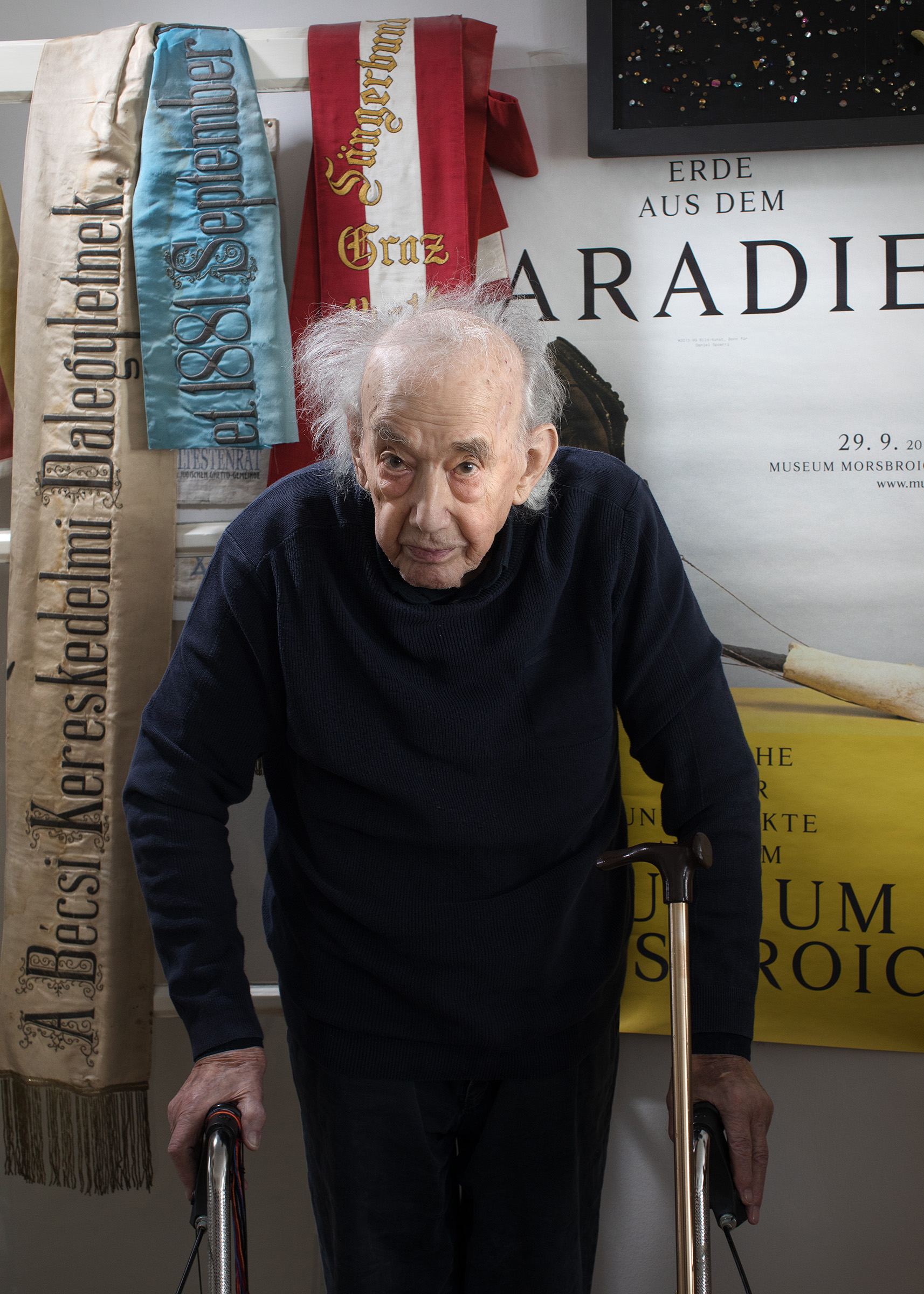
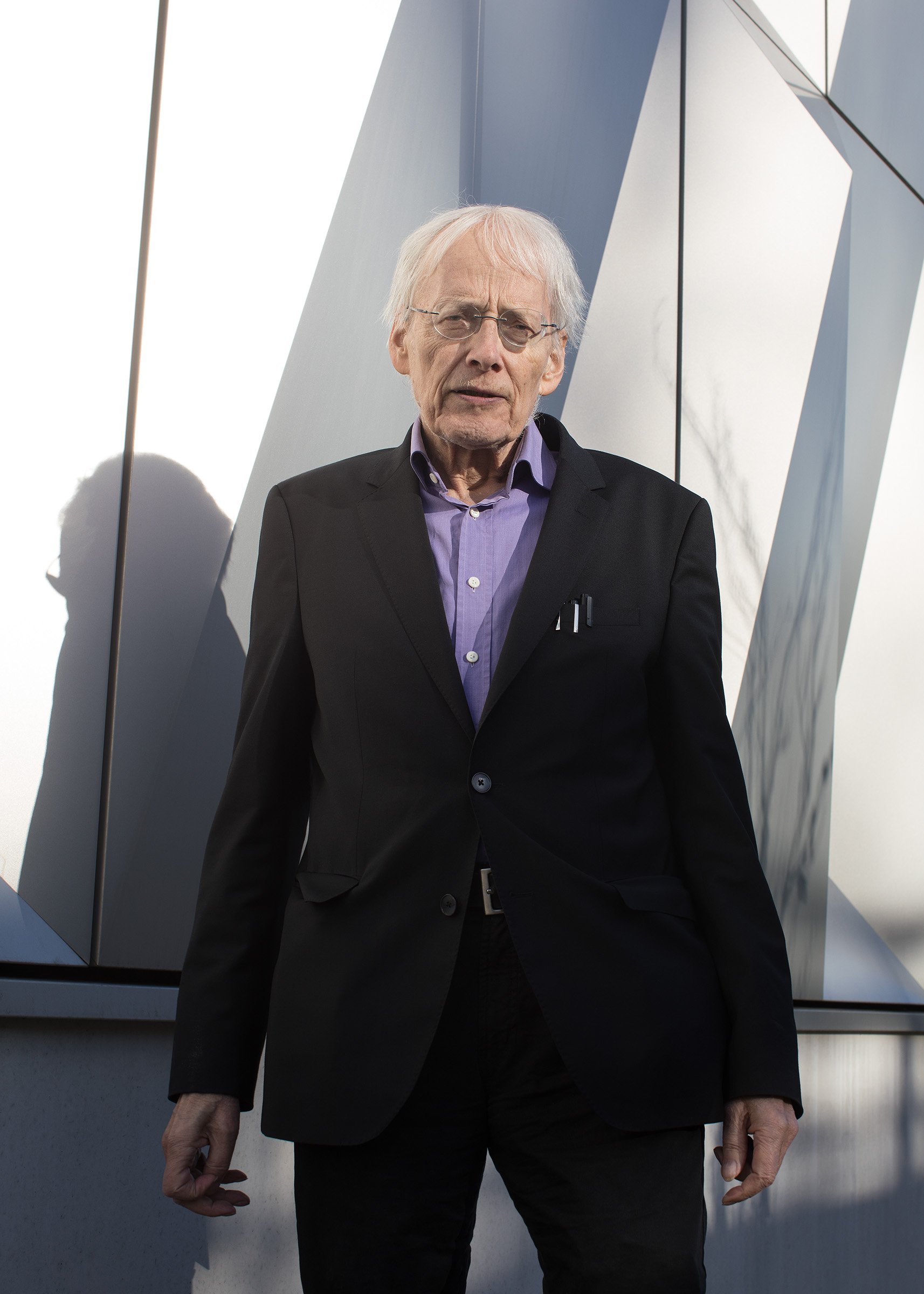
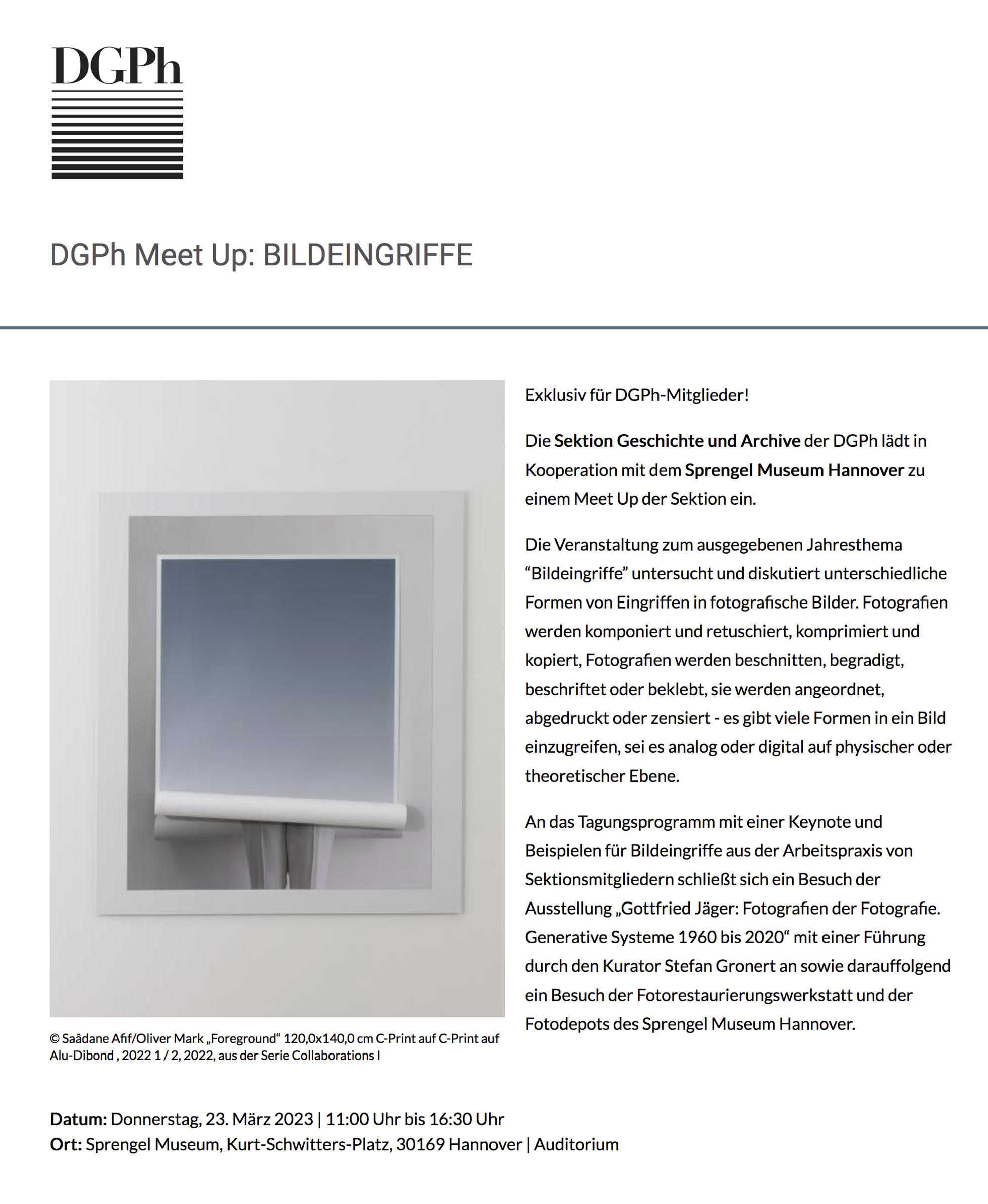
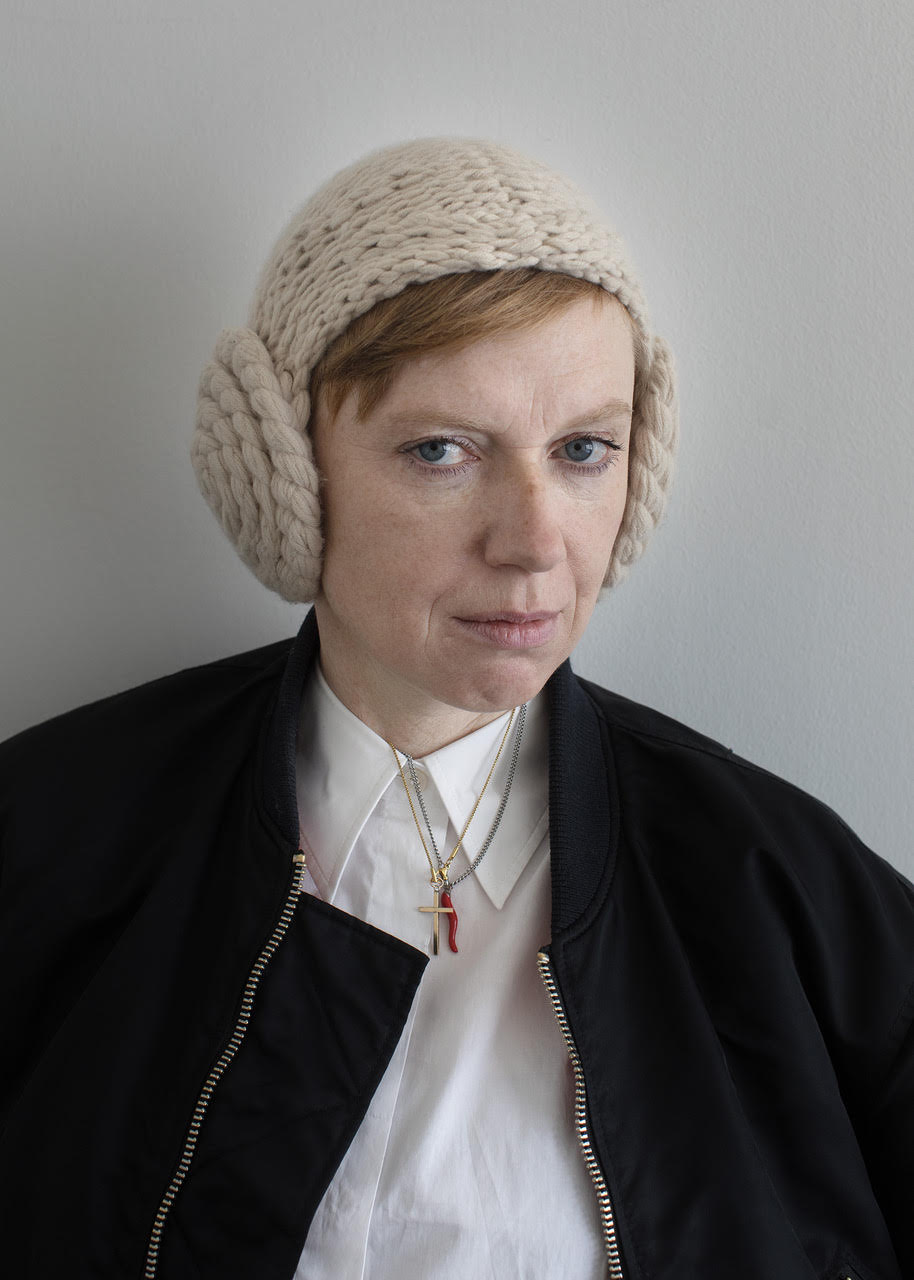
Oliver Mark invited 61 artists to work on his photos. Anything could be done to them: cutting, scratching, twisting, framing, pasting, mounting, embroidering and painting beyond recognition. The interventions were as surprising as they were innovative. The format was variable – so was the type of photo paper. Sometimes the photo was glossy or matt, sometimes on baryta paper, hahnemühle paper or canvas, etc. It was up to the artists to decide. Two prints were made, with one work remaining with each artist. The exhibition was made possible with the support of the Archdiocese of Berlin, Father Georg Maria Roers SJ and the Association Ausstellungshaus für christliche Kunst e. V.
In aller Munde – Von Pieter Bruegel bis Cindy Sherman 31.10.2020–05.04.2021
(v. l. n. r.) Edvard Munch, Walter Crane, Louise Bourgeois, Trockel Rosemarie, Oliver Mark.Vicco mit Vampir Schnuller, Berlin 2009
Mund, Lippen, Zunge und Zähne, Sprache, Schmerz und Schrei, Essen, Schlingen, Speien und Spucken, Lust und Leidenschaft: Die Mundhöhle ist eine buchstäblich reizvolle Körperzone. So haben sich nicht nur seit jeher Naturwissenschaft und Medizin an der Erkundung der Mundhöhle abgearbeitet, sondern auch die Kunst- und Kulturgeschichte – von der Antike bis zur Gegenwart. Diesen breit gefächerten motivgeschichtlichen Pfad verfolgt das Kunstmuseum Wolfsburg mit der Ausstellung In aller Munde. Von Pieter Bruegel bis Cindy Sherman. Es ist die bislang umfassendste Themenausstellung zu oralen Motiven in der Kunst in Deutschland mit über 250 Exponaten unter anderem von Albrecht Dürer, Pablo Picasso, Max Klinger, Marina Abramović, Andy Warhol und Louise Bourgeois.
Die breit angelegte Ausstellung widmet sich Monstermäulern (Alfred Kubin) und Vampirbissen (Edvard Munch), betrachtet den Mund als Höllenschlund und Tor zum Weltinnenraum (Pieter Bruegel). Die Dentalkultur wiederum wird vielfältig beleuchtet vom Zahnbrecher bei Jan Steen über die Darstellung der Schutzheiligen von Zahnärzten, Apollonia, bei Andy Warhol bis hin zu Zahnschmuck aus außereuropäischen Kulturen. Mona Hatoum dringt bis in die Speiseröhre vor, während Künstler wie Man Ray oder Anselmo Fox ihren Atem in Glas‑, Seifen- oder Kaugummiblasen einschließen. Und schließlich ist die Ästhetik der Lippen, gesteigert im Kuss und der oralen Libido ein Sujet, mit dem sich Wolfgang Tillmans, Natalia LL, Picasso, Marilyn Minter und viele andere in der Schau beschäftigen. In aller Munde umfasst sowohl Malerei, Skulptur, Installation, Fotografie, Zeichnung, Grafik und Videokunst als auch einzelne Exponate aus ethnologischen und naturwissenschaftlichen Sammlungen, Film und Werbung, Musik und Literatur.
Die Schau In aller Munde wird kuratiert von Dr. Uta Ruhkamp und entsteht in Zusammenarbeit mit dem Kulturwissenschaftler Prof. Dr. Hartmut Böhme und der Zahnärztin Beate Slominski.
Künstler*innen: Hans von Aachen (Umkreis), Marina Abramović & Ulay, Vito Acconci, Nobuyoshi Araki, Arman, Dirck Barendsz, Lenora de Barros, Franz von Bayros, Dirk Bell, Johannes Bendzulla, Bernhard Johannes Blume, Louis-Léopold Boilly, Hieronymus Bosch (Nachfolger), Louise Bourgeois, Pieter Bruegel d. Ä., Anton Büschelberger, Luca Cambiaso, Javier Castro und Luis Gárciga, Jake & Dinos Chapman, Francesco Clemente, Otto Coester, Tony Cragg, Lucas Cranach d. Ä., Walter Crane, Martin Creed, John Currin, Natalie Czech, Thomas Demand, François Desprez, Birgit Dieker, Mark Dion, Cheryl Donegan, Albrecht Dürer, Bogomir Ecker, Gerbrand van den Eeckhout, Antje Engelmann, Fantich & Young, Harun Farocki, Thomas Feuerstein, Urs Fischer, Anselmo Fox, Moritz Frei, Lieselotte Friedlaender, Gauri Gill, Francisco de Goya y Lucientes, Vivian Greven, Robert Haiss, Richard Hamilton, Johann Gottlieb Hantzsch, Mona Hatoum, Eberhard Havekost, He Xiangyu, Egbert van Heemskerck d. J., Jeppe Hein, Gottfried Helnwein, Gary Hill, Klara Hobza, Jenny Holzer, Benjamin Houlihan, Lisa Junghanß, Michael Kalmbach, Isabell Kamp, Christian Keinstar, Johann Georg Kern (zugeschr.), Walther Klemm, Max Klinger, Christoph Knecht, Herlinde Koelbl, Kurt Kranz, Alfred Kubin, Mathäus Küsel, Raimund Kummer, David LaChapelle, Maria Lassnig, Lucas van Leyden, Lee Lozano, Sarah Lucas, Anna Maria Maiolino, Jeanne Mammen, Man Ray, Fabian Marcaccio, Christian Marclay, Teresa Margolles, Oliver Mark, Bernhard Martin, Kris Martin, Jonathan Meese, Ulrich Meister, Isa Melsheimer, Ana Mendieta, Charles Meryon, Franz Xaver Messerschmidt, Marilyn Minter, Edvard Munch, Bartolomé Esteban Murillo (zugeschr.), Natalia LL, Bruce Nauman, Marcel Odenbach, Adolf Oexle, Tony Oursler, Georg Pencz, Pablo Picasso, Rona Pondick, François Rabelais, Lili Reynaud-Dewar, Pipilotti Rist, Michele Rocca, Ulrike Rosenbach, Aura Rosenberg, Miguel Rothschild, Raphael Sadeler d. Ä., Sam Samore, Johann Gottfried Schadow, Godfried Schalcken, Thomas Schütte, Lorentz Schultes, Elfie Semotan, Mithu Sen, Cindy Sherman, Slavs and Tatars, Andreas Slominski, Kiki Smith, Daniel Spoerri, Shaun Stamp, Peter Stauss, Jan Steen, Barbara Steppe, Sam Taylor-Johnson, David Teniers d. J., Paul Thek, Wolfgang Tillmans, Joe Tilson, Ane Tonga, Rosemarie Trockel, Wilhelm Trübner, Piotr Uklański, Maarten de Vos, Kemang Wa Lehulere, Franz Erhard Walther, Andy Warhol, Hans Wechtlin, Peter Weibel, Hans Weiditz d. J., Tom Wesselmann, Antonie Wierix, Peter Zizka u. a.
Hoischen / Mark „Die Kykladen Novelle 1“ 42,6 x 36,6 cm
Mixed Media, C‑Print framed 2017
White and Clean Künstlerhaus Bethanien, Berlin STUDIO 225 / BERCKEMEYER
Pop-Up Exhibition with Alicja Kwade, Antje Blumenstein, Armin Boehm, Björn Dahlem, Erik Schmidt, Eva Grubinger, Eva-Maria Wilde, Frank Nitsche, Gabriel de la Mora, Gregor Hildebrandt, Hansa Wisskirchen, Isa Melsheimer, Kristina Nagel, Lisa Junghans, Ludwig Kreutzer, Olivia Berckemeyer, Hoischen / Mark , Marcel Duchamp, Manfred Peckl, Matthias Hesselbacher, Marten Frerichs, Sophia Scharma, Stephanie Kloss , Susanne Gollwitzer, Svenja Kreh, Tatjana Doll, Tine Furler.
Oliver Mark hatte schon sehr viele Ausstellungs- und Publikationsprojekte in Deutschland, Österreich, Liechtenstein, Frankreich, Grossbritannien, Irland, Bulgarien, Rumänien, Russland und China. Über 20 Einzelausstellungen würdigten seine Fotografien und in über 50 Gruppenausstellungen war er mit Fotografien beteiligt.
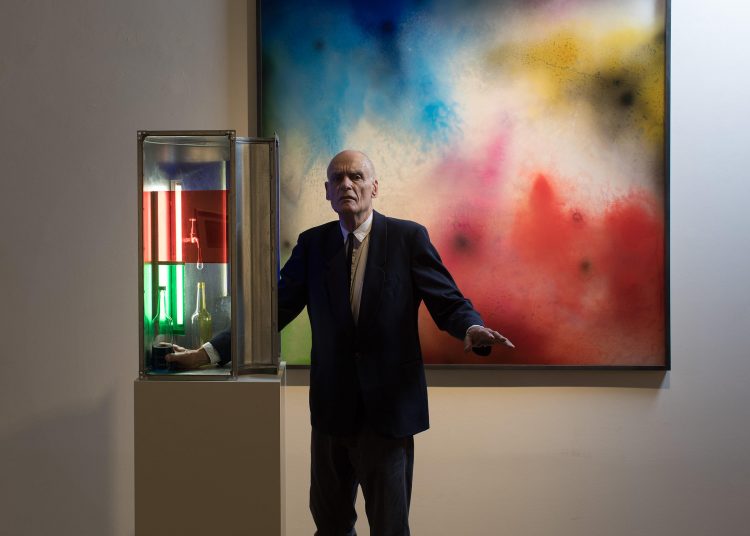
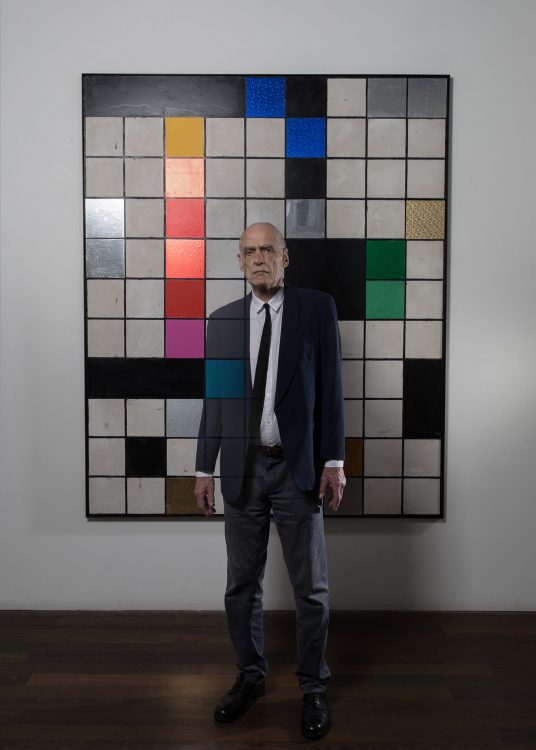
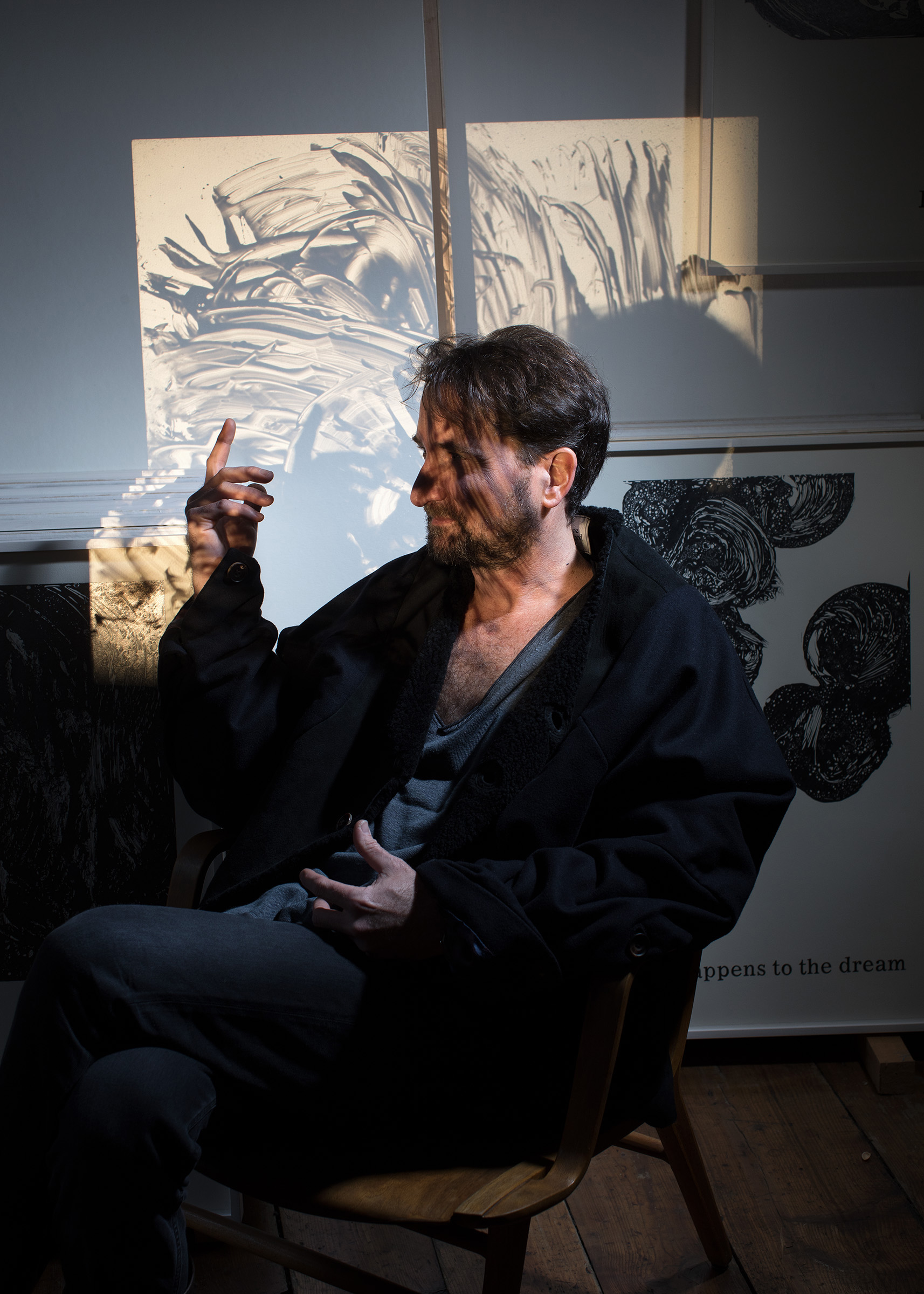
Bekannt ist er vor allem durch seine Fotografien von berühmten Persönlichkeiten aus Politik, Wirtschaft und Kultur. So fotografierte er u.a. Papst Benedikt XVI.,Daniel Barenboim, Cate Blanchett, Umberto Eco, Otto von Habsburg-Lothringen, Tom Hanks, Anthony Hopkins, Jeff Koons, George Lucas, Marilyn Manson, Angela Merkel, Wolfgang Schäuble, Sir Ridley Scott. Insgesamt hat er über 670 Personen der Zeitgeschichte fotografiert. Aus der Sammlung des Liechtensteinischen Landesmuseum wird nun erstmalig eine grössere Auswahl seiner Fotografien gezeigt.
Kuratiert von Alexander Ochs and Dr. Holger Kempkens. Mit u. a.: Marina Abramović, Ai Weiwei, Nobuyoshi Araki, Ernst Barlach, Georg Baselitz, Joseph Beuys, Valerie Favre, Katharina Fritsch, Leiko Ikemura, Wilhelm Lehmbruck, Via Lewandowsky, Oliver Mark, Olaf Metzel, Hermann Nitsch, Meret Oppenheim, Karl Schmidt-Rottluff, Andy Warhol.
Im Jahr 2011 hat der Künstler Oliver Mark Benedikt XVI. fotografiert. Im prunkvollen Goldrahmen präsentiert sich das Oberhaupt der katholischen Kirche jedoch nur ausschnitthaft. Lediglich die vor der Körpermitte gehaltenen Hände sind in der Aufnahme zu sehen. Die einzigartige Stellung des Papstes wird durch Pektorale und die ihm vorbehaltene weiße Gewandung verdeutlicht. Auch die in ihrer Gegensätzlichkeit sehr aussagekräftige Haltung seiner Hände trägt zur Charakterisierung bei. Aktiv ist die Linke in rhetorischem Gestus nach oben gerichtet. Die Rechte jedoch, die den goldenen Fischerring trägt, ist müde nach unten gewandt. Sowohl Ehre und Würde als auch die schwere Verantwortung, die mit diesem Amt verbunden sind, werden in eindrücklicher Weise in dem Porträt der Papsthände erfahrbar.
Der Fotograf Oliver Mark (*1963, Gelsenkirchen/Deutschland) inszeniert Prominente in ungewöhnlichen Posen. Sie zeigen ironische Kommentare zum Status der Abgelichteten, spielen mit Versatzstücken ihrer Lebens- und Arbeitswelt, wie bei dem Porträt der Bildhauerin Alicia Kwade, bei dem unklar bleibt, ob er sie in ihrem Atelier vor einer neuen Arbeit inszeniert, oder selbst die Kulisse seiner Aufnahme zusammenstellte.
Auch der Maler Clemens Krauss findet sich in einem kommentierenden Ambiente zu seinem Werk. Der Künstler, der mit pastos, direkt auf die Wand gemalten, gesichtslosen Masseninszenierungen bekannt wurde, lagert auf einem Bett, das aus einem Museumkontext stammen könnte. Um ihn herum Bilder von Krauss und ein blutrot durchtränktes Hemd, das an die Performance von Hermann Nitsch erinnert. Minutiös plant er den Prozess, der für den Fotografen für das Gelingen eines Bildes ausschlaggebend sei. Mit dem Zufall arbeitet der Künstler nach eigener Aussage selten. Als Stilmittel setzt Mark mitunter schwulstige Bilderrahmen als Motiv ein, die als Spannungsgeber, als Begrenzung und Botschaft fungieren. Sie erzeugte assoziative Nähe zur Altmeistermalerei, verstärken das mehrmals in sei- nem Werk wiederkehrende Motiv der Hände, wie die von Papst Benedikt, den er 2011 in Erfurt fotografierte. Als bekennender Christ (ZEIT, 2019) bearbeitet er auch immer wieder religiös orientierte Themen, wie die Schwarzweiß-Fotografie, in deren Zentrum ein Säugling, eingeschlagen in ein dunkles Tuch in den Himmel schaut. Von seiner Brust ausgehend strebt ein heller Bereich, der Blattwerk zu erkennen gibt und vermutlich durch eine Doppelbelichtung entstanden ist.
Natura Morta Photographien von Oliver Mark in Korrespondenz zu Stillleben-Gemälden der Sammlung
Natura Morta, Oliver Mark’s current project, is dedicated to the question of how human beings treat their environment and the natural world, focusing in particular on the animal kingdom as well as the aesthetics and beauty of death. In the seventeenth and eighteenth centuries, the still life genre, originally known as natura morta – ‘dead nature’ –, became established as stil leven in Holland and Stillleben in Germany. In this transition, the notion behind the genre shifted from the Latin and Italian meaning. However, if one takes life as existence or being, and still as inactive in the sense of dead, the term continued to express a very similar idea, even if not quite identical. For his present project, Oliver Mark has deliberated chosen the original Latin term as a way of highlighting the contrast between nature = life and lifeless = dead. What we discover in his photographs did once live and, in almost every case, was killed in the prime of life by human hand. Moreover, the natura morta term strongly shifts the focus to the animal and plant kingdoms, placing humanity in the background. Even if, of course, human beings are a part of nature, we are only one small part compared to nature’s vast diversity.
Oliver Mark’s still life photographs were taken in a German customs’ storage room in Bonn where the court exhibits are kept. In his photos, he orchestrates objects confiscated by the customs as classic art still lifes – from leopard skulls and carved ivory to products from crocodile, tortoise or turtle, parts of protected animals and plants, hunting trophies, snakeskin garments, musical instruments from valuable tropical woods, and souvenirs such as sea horses, coral, snails and sea shells.
Oliver Mark presents his works in historic painting frames. In the Paintings Gallery, this generates parallels between the genres of painting and photography, but also between photographic and painted still lifes. Together with Oliver Mark’s photography, the Paintings Gallery is showing nine works from its own collection by artists such as Willem van Aelst, Philips Angel van Middelburg, Abraham van Beyeren, Jan van der Heyden, Maximilian Pfeiler, Abraham Susenir, Jan Weenix, and the successors of Peter Paul Rubens, creating new perspectives on masterpieces of seventeenth-century Dutch art.
In this way, visitors can explore a wide range of associative ideas. Ideally, these produce new and different views of seemingly ‘well-known’ paintings in the collection, or encourage the aesthetic enjoyment of the photographs and lead to reflections on how humanity treats the natural world.
In the Natural History Museum, where a further three groups of Oliver Mark’s photographic works are shown juxtaposed with animal specimens, the focus is on the protection of endangered species. The trade in animal and plant species is regulated under international law, banning many souvenirs from being imported into the signatory countries. The authorities enforce this law under the Convention on International Trade in Endangered Species of Wild Fauna and Flora (CITES), which protects over 35,000 threatened animals and plants and was ratified by Austria in 1982.
Oliver Mark’s impressive photographs offer space for ideas and associations across a broad spectrum of topics: How do people treat their environment? What so fascinates us about the still life genre? And what distinguishes painting from photography?
Julia M. Nauhaus, Director of the Picture Gallery Academy of Fine Arts Vienna
Natura Morta Photographien von Oliver Mark in Korrespondenz zu Stillleben aus der Sammlung der Gemäldegalerie und Tierpräparaten des Naturhistorischen Museums
Between Skies and Earth Alvin Langdon Coburn & Oliver Mark
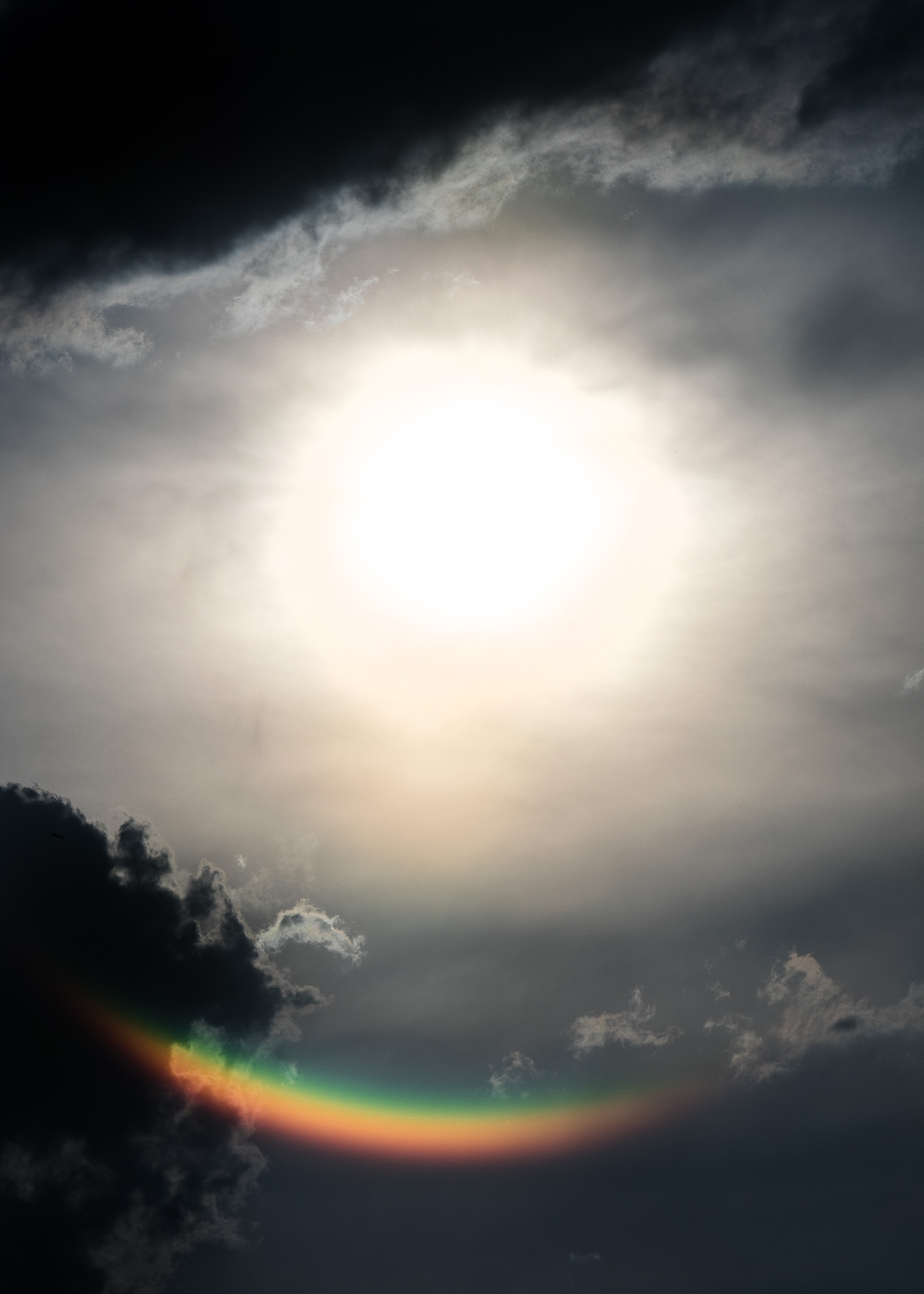
The light and the obscure, the sky and the earth, the ethereal and the corporeal. Such juxtapositions have long formed the essence of the photographer’s art and a mastery of these elements can evoke entire universes of nuance and emotion.
Oliver Mark (b. Germany, 1963) is one of the modern geniuses in the use of these elements; and Alvin Langdon Coburn (b. America, 1882; d. Wales, 1966) possessed such a gift in their use that his work forms the foundation of pictorialist photography. CLAIR Gallery curated an exhibition, Between Skies and Earth, that explored the overt and covert connections between these two celebrated photographers who are separated by more than a century.
CLAIR Gallery presented Between Skies and Earth from March 30, 2017 to June 11, 2017 at Franz-Joseph-Strasse 10 in Munich.
Oliver Mark is renowned for his portraits of aristocrats, artists, and celebrities. His work has been published in magazines such as Vogue and Vanity Fair, while his photographs have been exhibited in museums around the world. More information available at his artist page or on his personal website.Alvin Langdon Coburn was a pioneering figure in photography and an early master of pictoralism. He began taking photographs as a young child and his career spanned more than six decades. His work bears witness to the rise of the great modern cities and he was fascinated by the dynamic complexity of these new urban environments. Coburn had a particular genius for photographing movement, whether it be the eerie play of artificial and natural light at nightfall in New York City or the traces of pedestrians seen from a perch high above a London park. To see more of his work, visit his CLAIR artist page.
Anna-Patricia Kahn, 2017
We use cookies on our website to give you the most relevant experience by remembering your preferences and repeat visits.
This website uses cookies to improve your experience while you navigate through the website. Out of these, the cookies that are categorized as necessary are stored on your browser as they are essential for the working of basic functionalities of the website. We also use third-party cookies that help us analyze and understand how you use this website. These cookies will be stored in your browser only with your consent. You also have the option to opt-out of these cookies. But opting out of some of these cookies may affect your browsing experience.
Necessary cookies are absolutely essential for the website to function properly. These cookies ensure basic functionalities and security features of the website, anonymously.
Cookie
Duration
Description
cookielawinfo-checkbox-analytics
11 months
This cookie is set by GDPR Cookie Consent plugin. The cookie is used to store the user consent for the cookies in the category "Analytics".
cookielawinfo-checkbox-functional
11 months
The cookie is set by GDPR cookie consent to record the user consent for the cookies in the category "Functional".
cookielawinfo-checkbox-necessary
11 months
This cookie is set by GDPR Cookie Consent plugin. The cookies is used to store the user consent for the cookies in the category "Necessary".
cookielawinfo-checkbox-others
11 months
This cookie is set by GDPR Cookie Consent plugin. The cookie is used to store the user consent for the cookies in the category "Other.
cookielawinfo-checkbox-performance
11 months
This cookie is set by GDPR Cookie Consent plugin. The cookie is used to store the user consent for the cookies in the category "Performance".
viewed_cookie_policy
11 months
The cookie is set by the GDPR Cookie Consent plugin and is used to store whether or not user has consented to the use of cookies. It does not store any personal data.
Functional cookies help to perform certain functionalities like sharing the content of the website on social media platforms, collect feedbacks, and other third-party features.
Performance cookies are used to understand and analyze the key performance indexes of the website which helps in delivering a better user experience for the visitors.
Analytical cookies are used to understand how visitors interact with the website. These cookies help provide information on metrics the number of visitors, bounce rate, traffic source, etc.
Advertisement cookies are used to provide visitors with relevant ads and marketing campaigns. These cookies track visitors across websites and collect information to provide customized ads.